


Chelsea isn't just another London postcode. It's a neighborhood where Georgian townhouses sit alongside Victorian mansions, where every renovation decision can add (or subtract) six figures from your property value, and where your builder needs to understand the difference between a Conservation Area consultation and a Listed Building Consent.
If you're planning luxury renovations in Chelsea, you're not just hiring someone to knock down walls and lay bricks. You're choosing a partner who understands heritage architecture, navigates complex planning restrictions, and delivers craftsmanship that honors the original character of your home while meeting modern living standards.
Here's everything you need to know about finding the right builder in Chelsea.
Why Chelsea Renovations Are Different
Most of Chelsea falls within one of several Conservation Areas, including the Royal Hospital Conservation Area and the Chelsea Park/Carlyle Conservation Area. This means virtually every external change to your property — from replacing windows to adding a rear extension — requires council approval.
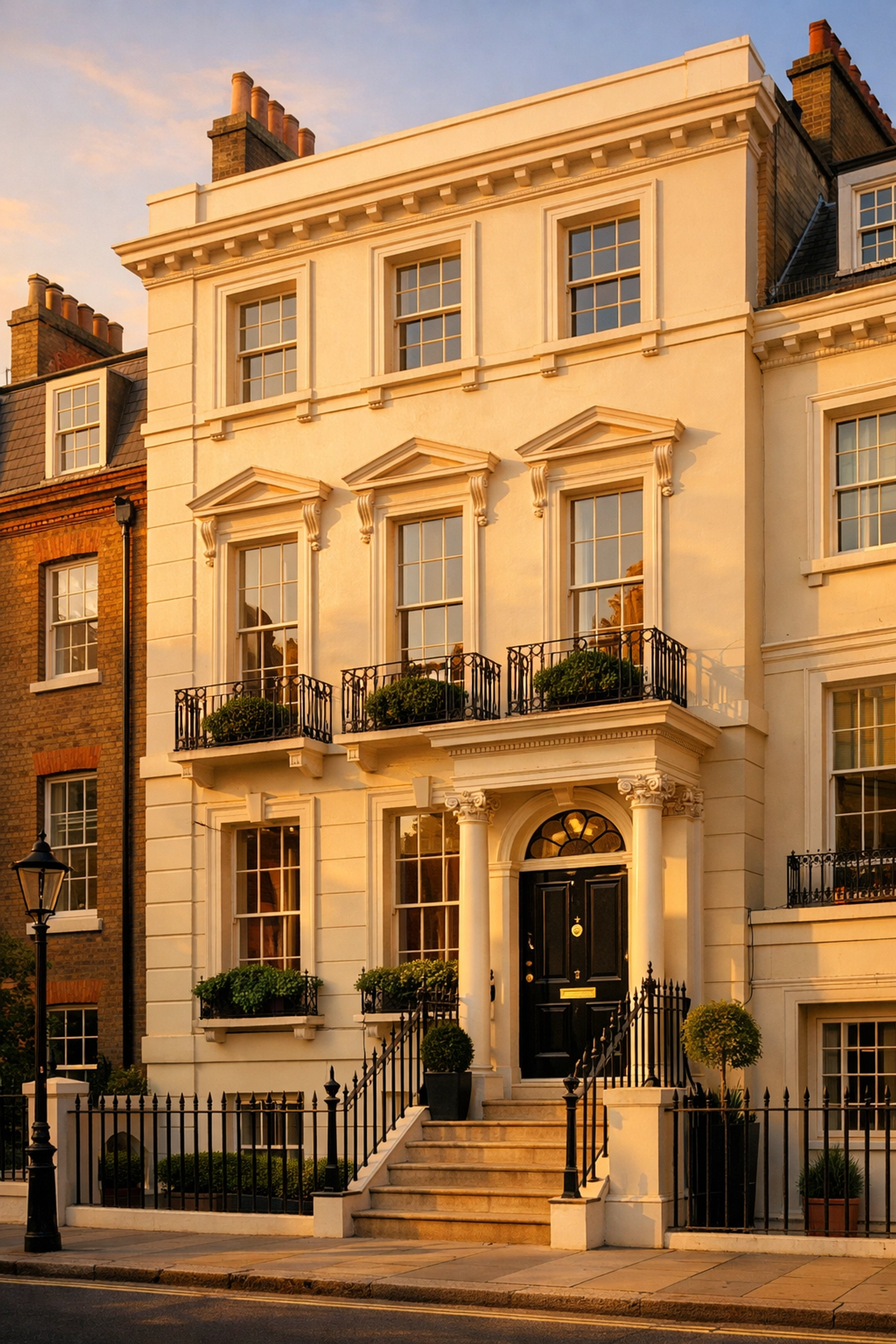
Your builder needs to be intimately familiar with the Royal Borough of Kensington and Chelsea's planning policies. A general contractor who's used to working in newer developments won't have the specialized knowledge required to navigate these restrictions. They won't know that your Victorian sash windows might need specialist approval for replacement, or that your proposed glass extension will need a heritage impact assessment.
The wrong builder will submit applications that get rejected, costing you months of delays and thousands in resubmission fees. The right period property builder will get it right the first time because they've done it dozens of times before.
The Conservation Area Challenge
When you're working within a Conservation Area, every detail matters. The council scrutinizes materials, proportions, window styles, roofline alterations, and even the color of your front door.
This creates a unique challenge: how do you modernize a period property without compromising its historical character?
The answer lies in choosing a builder who specializes in heritage work. They'll know which modern materials can replicate original finishes, how to source reclaimed materials that match your property's era, and how to design extensions that complement rather than clash with the existing architecture.
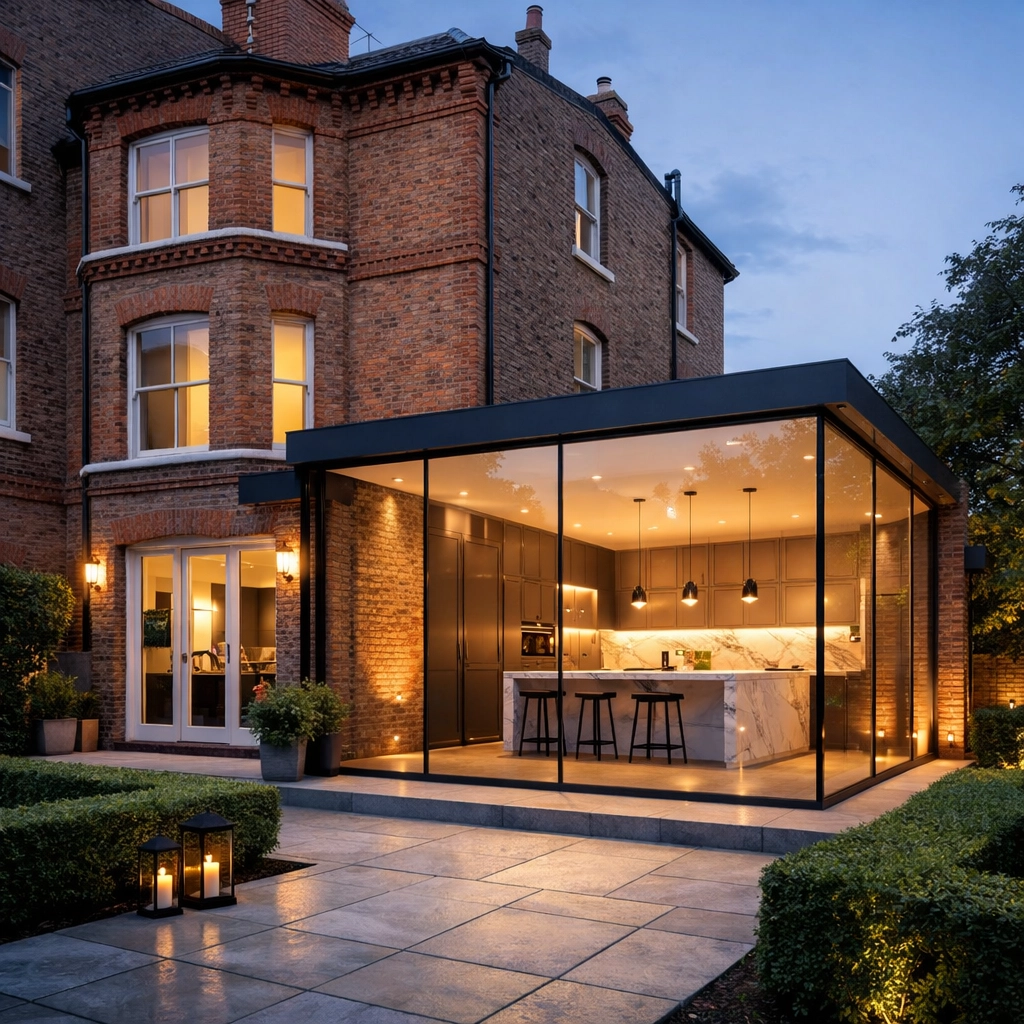
For example, if you're planning Chelsea home extensions, your builder should be discussing things like:
- How to match brickwork to the original facade
- Whether your extension should feature traditional sash windows or contemporary glazing
- How to design a basement excavation that protects neighboring Victorian foundations
- Which insulation methods work with solid-wall construction
This isn't knowledge you'll find in a textbook. It comes from years of working exclusively in Chelsea, Belgravia, and surrounding heritage neighborhoods.
What Separates a Luxury Builder from a General Contractor
Not all builders are created equal, especially when you're investing £200,000+ in a renovation. Here's what distinguishes a true luxury renovations Chelsea specialist:
Project Management Excellence: They maintain a single point of contact throughout your project, provide weekly progress reports, and use professional project management software to track timelines and budgets. You shouldn't need to chase them for updates.
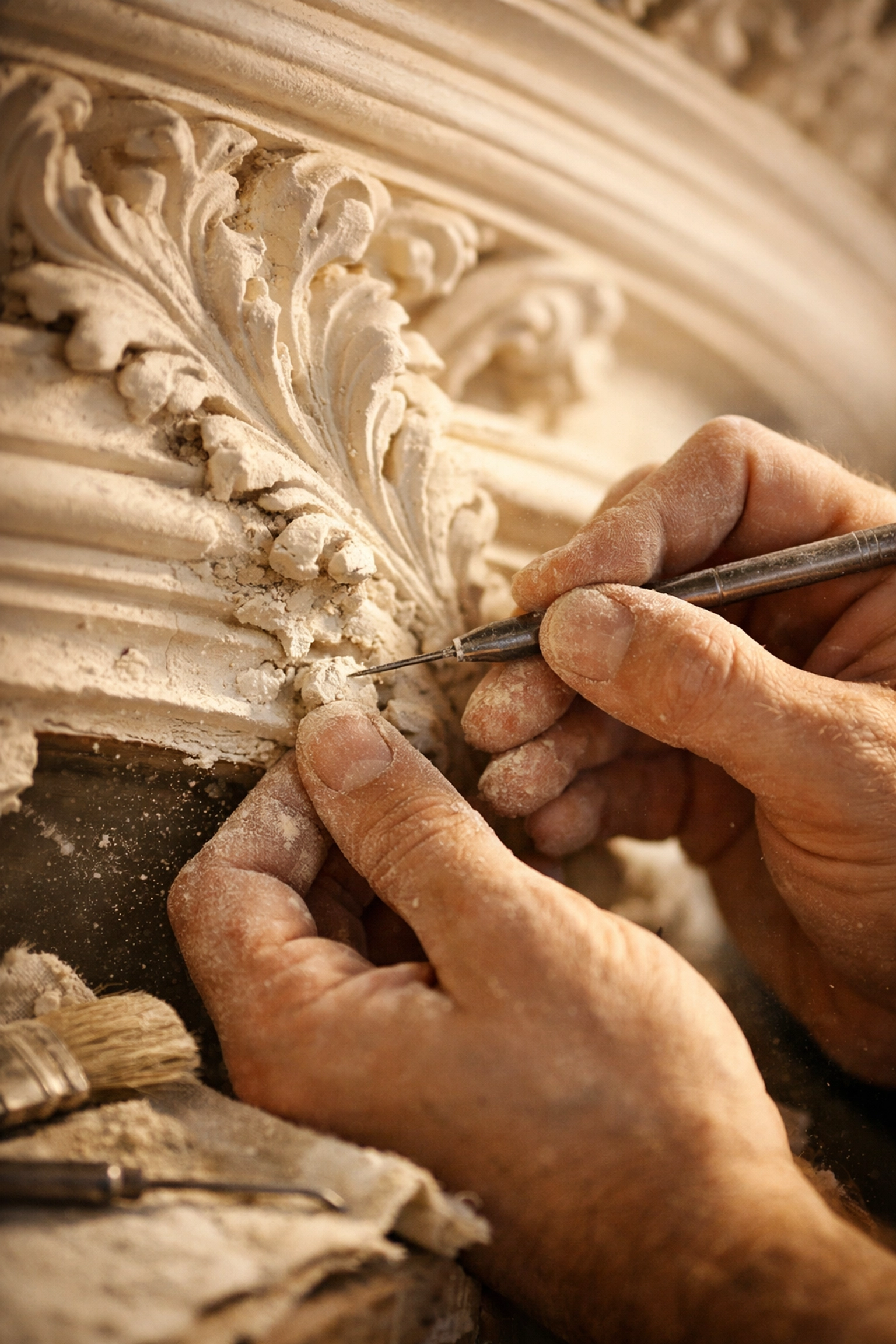
Heritage Expertise: They employ craftspeople who understand traditional building methods — lime mortar, period joinery, decorative plasterwork, and original floorboard restoration. These skills are increasingly rare but essential for period properties.
Design Collaboration: The best builders work alongside architects and interior designers from the earliest planning stages. They can spot potential structural issues before they become expensive problems and suggest value-engineering alternatives that don't compromise on quality.
Transparent Pricing: They provide itemized quotes that break down labor, materials, and contingencies. No vague "this will cost around..." estimates that balloon by 40% mid-project.
Established Local Reputation: They can provide references from other Chelsea homeowners, showcase completed projects you can visit, and have long-standing relationships with local planning officers.
The Questions Every Chelsea Homeowner Should Ask
Before you sign any contract, schedule face-to-face meetings with at least three potential builders. Here's what you need to ask:
"How many Conservation Area projects have you completed in Chelsea specifically?" You want a builder with local experience, not someone who's done "heritage work" in Manchester or Bristol. London's planning environment is unique.
"Can you walk me through your planning application process?" A good builder should explain how they'll handle pre-application consultations, heritage statements, and neighbor notifications.
"Who will be my day-to-day contact?" The person who quotes your job isn't always the person who manages it. Make sure you're comfortable with whoever will be running the site.
"What's your approach to unexpected issues?" Period properties always have surprises — damp, structural movement, outdated wiring hidden behind walls. How does the builder handle scope changes and additional costs?
"Can I visit an active job site?" This reveals more than a portfolio of finished projects. You'll see how they manage the site, treat their tradespeople, and protect your neighbors from noise and disruption.
Why Vine Construction Leads in Chelsea Renovations
Vine Construction has built its reputation on one principle: every Chelsea property deserves the level of craftsmanship that honors its history while delivering contemporary comfort.
They've completed luxury renovations across Mayfair, Kensington, and Chelsea, specializing in the type of high-end work that transforms period properties into modern family homes without erasing their character. Their portfolio includes glass-box extensions that won planning approval on the first submission, heritage restorations that preserved original Victorian features, and full-house renovations that increased property values by 20-30%.
What sets them apart is their integrated approach. Rather than treating your project as a series of separate tasks, they coordinate everything — from initial planning consultations to final decorating — under one roof. This eliminates the finger-pointing that happens when architects, builders, and specialists all work independently.
They also understand that a truly modern Chelsea home requires more than visible renovations.
The Secondary Glazing Solution for Period Properties
Here's something most builders won't tell you: replacing your original sash windows is rarely the best solution for improving insulation and noise reduction in a Chelsea period property.
Conservation Areas often prohibit window replacements entirely. Even when they're allowed, ripping out original Victorian joinery destroys one of your property's most valuable historical features.
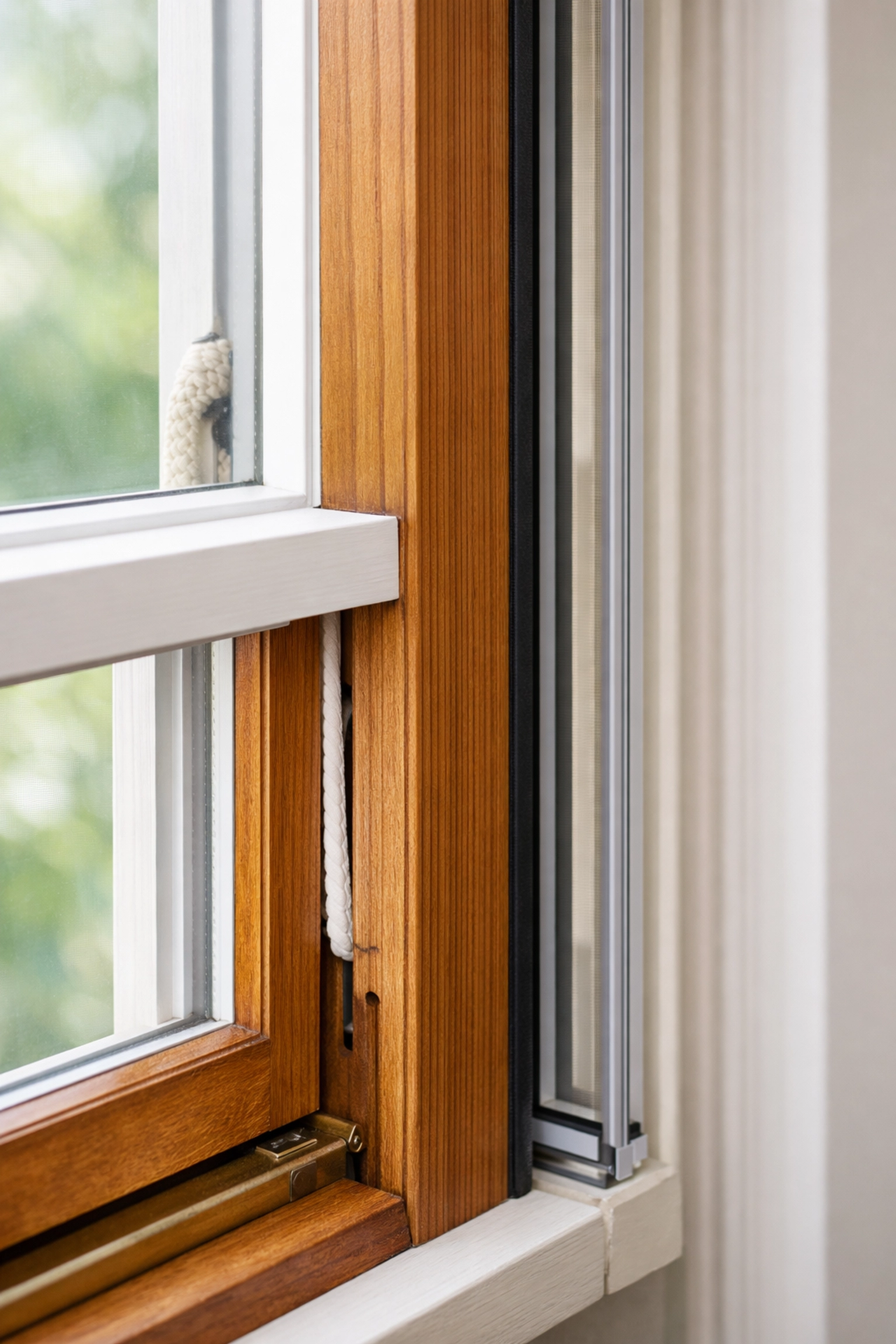
The smarter solution is secondary glazing — a discreet system that fits behind your existing windows to provide modern thermal and acoustic performance while preserving the original aesthetic.
This is where Vine Construction's partnership with Secondary Glazing Specialist becomes invaluable. Rather than forcing you to choose between heritage preservation and modern comfort, they incorporate specialist secondary glazing systems into their renovations from the design stage.
The result? You keep your period windows, satisfy conservation requirements, reduce heating bills by up to 60%, and eliminate street noise from the King's Road or Fulham Road. It's the kind of detail-oriented thinking that separates a good builder from an exceptional one.
Budget Realities for Chelsea Renovations
Let's talk numbers. A quality Chelsea renovation typically runs between £2,000–£4,000 per square meter, depending on the specification level and structural complexity.
A two-story rear extension might cost £150,000–£250,000. A full-house renovation including basement excavation could reach £500,000–£1,000,000+. These aren't inflated figures — they reflect the reality of working in Conservation Areas with high-end finishes and specialist tradespeople.
Be wary of any builder in Chelsea who quotes significantly below market rate. They're either underestimating the complexity of your project, cutting corners on materials, or planning to hit you with endless variation orders once work begins.

The best builders operate on transparent cost-plus contracts: you pay actual costs for labor and materials, plus an agreed markup (typically 20–30%) covering overhead and profit. This incentivizes honest communication rather than low-ball quotes that bear no resemblance to the final bill.
Making Your Decision
After you've interviewed builders, reviewed portfolios, and compared quotes, trust your instincts. The right builder in Chelsea should make you feel confident, not anxious. They should answer questions patiently, respond to emails promptly, and demonstrate genuine enthusiasm for your project.
Remember: you're not just hiring someone to execute a renovation. You're choosing a partner who will be intimately involved in your home for months, potentially years. Choose someone you'd be comfortable having a cup of tea with in your kitchen, because that's exactly what will happen.
Chelsea's period properties deserve builders who treat them as the architectural treasures they are. Whether you're planning a kitchen extension, a heritage restoration, or a full-house renovation, the right expertise makes all the difference between a project that adds value and one that becomes a cautionary tale.
Planning a Renovation?
Book a confidential site survey to discuss your project with our heritage specialists.
Request a Site SurveyRelated Projects
Continue Reading

Heritage
Chelsea Home Renovation Guide: Extensions, Cadogan Estate & Planning in SW3
Read article
Heritage
Mayfair Home Renovation Guide: Georgian Townhouses, Grosvenor Estate & Planning in W1
Read article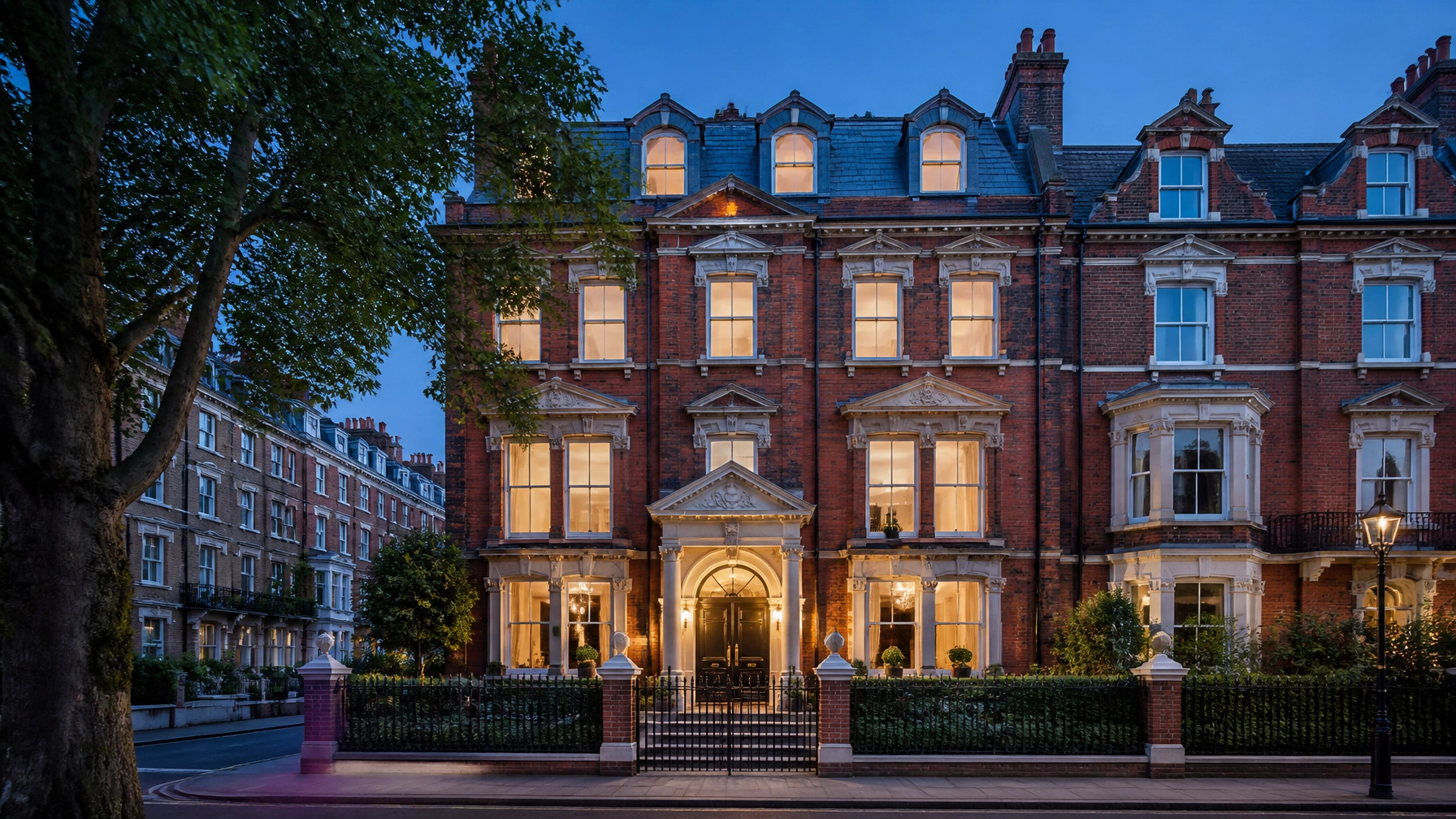
Heritage