


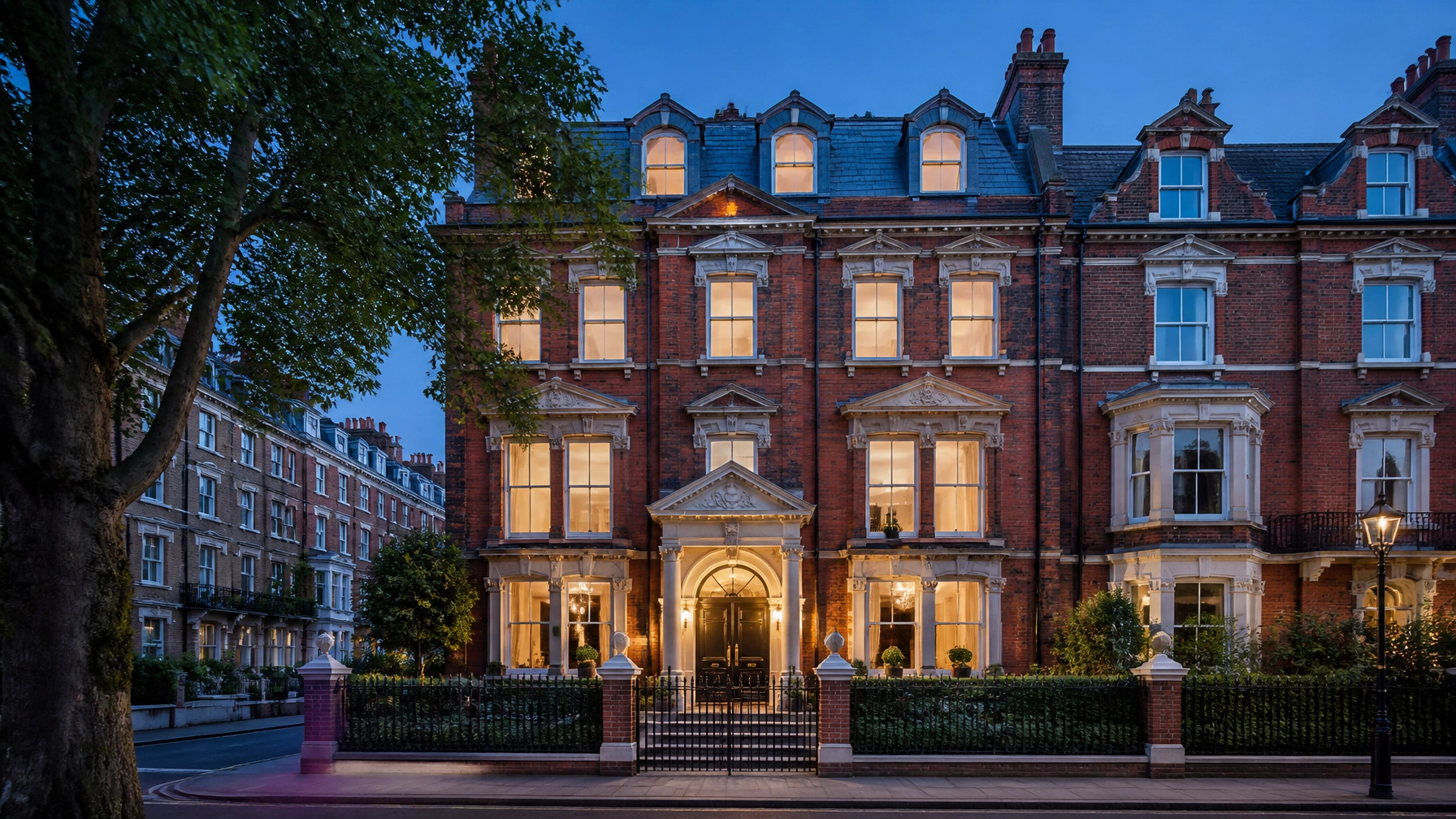
For homeowners and property professionals in London, navigating the complexities of heritage property maintenance has undergone a significant transformation in 2026. As the UK moves toward more aggressive net-zero targets, the tension between preserving architectural integrity and improving thermal performance has led to a series of regulatory updates in Westminster and the Royal Borough of Kensington and Chelsea (RBKC).
As premier grade II listed building contractors London, Vine Construction remains at the forefront of these legislative shifts. This guide details the 2026 landscape for listed building renovation London, specifically focusing on Local Listed Building Consent Orders (LLBCOs), the adoption of heat pumps, and the integration of advanced secondary glazing solutions.
The 2026 Regulatory Landscape: A Shift Toward Retrofitting
Traditionally, any alteration to a listed building required a specific, individual application for Listed Building Consent (LBC). However, by July 2026, local authorities have increasingly adopted "blanket consents" for specific types of energy-efficiency works. These are known as Local Listed Building Consent Orders (LLBCOs).
The primary objective of these orders is to streamline the listed building renovation London process, allowing homeowners to bypass the 8-to-12-week wait for individual consent if their proposed works meet strictly defined criteria.
Kensington and Chelsea: Leading with LLBCOs
The Royal Borough of Kensington and Chelsea has been a pioneer in this space. As of 2026, three primary orders are in effect for Grade II properties in the borough:
- Solar Panels (Borough-wide): Permits the installation of solar PV panels on Grade II and most Grade II* buildings, provided they are not visible from the primary street scene and follow specific material and fixing conditions.
- Secondary Glazing (2023 Order): Grants blanket consent for the installation of secondary glazing to any window in a Grade II listed building, provided the original fabric is not harmed.
- Slimline Double Glazing (2026 Order): Specifically for Queen’s Gate, Pembridge, and Holland Park conservation areas, this order allows for the replacement of machine-manufactured float glass with slimline double glazing in certain sash configurations.
Secondary Glazing: The Gold Standard for Thermal Performance
Despite the relaxation of some rules, the core principle of listed building renovation London remains "minimal intervention." For the majority of original sash windows in Mayfair, Belgravia, and Chelsea, secondary glazing remains the preferred solution for both planners and heritage consultants.
Why Secondary Glazing is the 2026 Priority
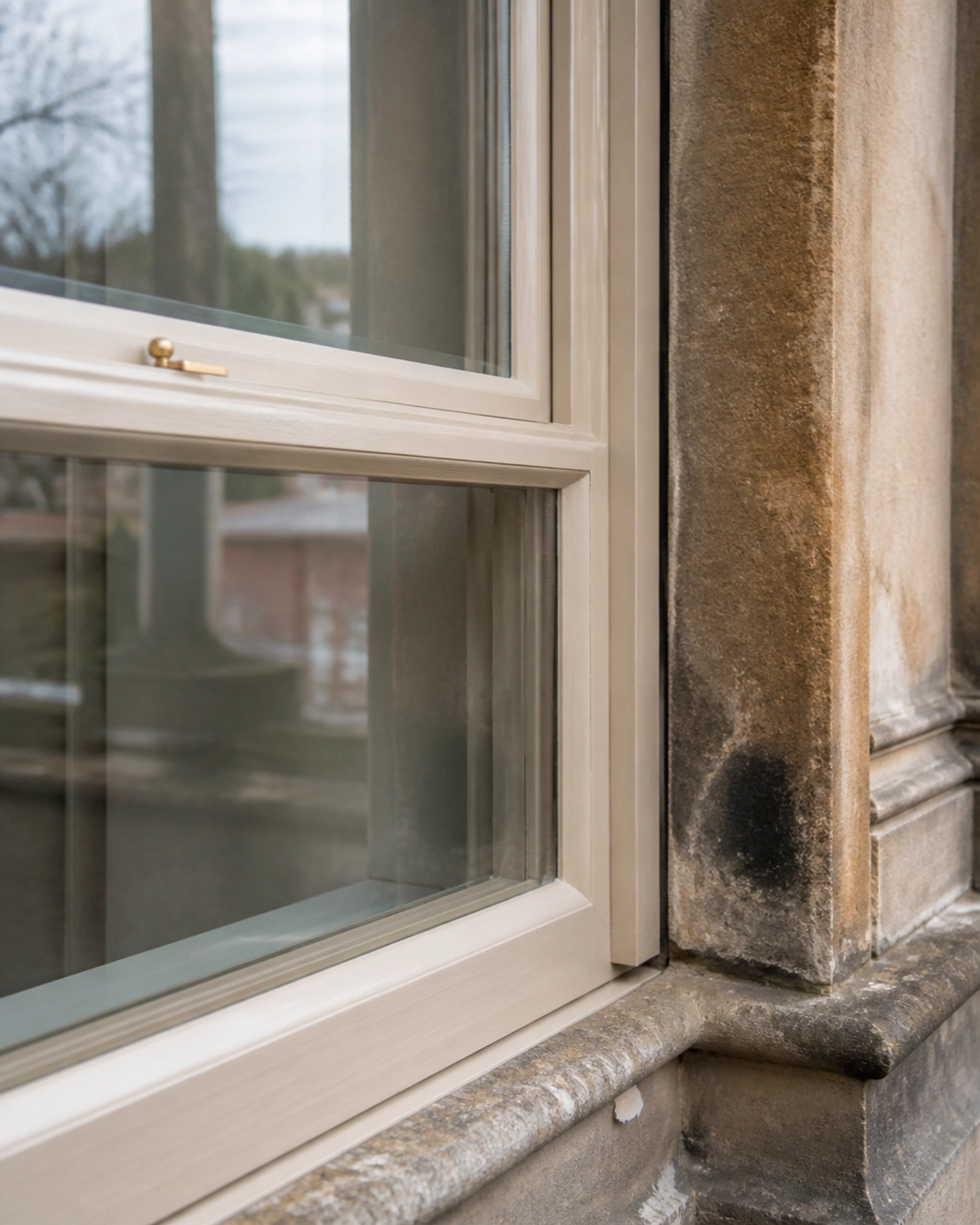
In 2026, high-performance secondary glazing is no longer a "clunky" addition. Modern systems utilize ultra-slim aluminium frames that align perfectly with existing meeting rails and glazing bars.
- Thermal Retention: Reduces heat loss through windows by up to 60%.
- Acoustic Insulation: Significant reduction in street noise, essential for properties in South Kensington and Knightsbridge.
- Reversibility: A key requirement of Historic England; secondary glazing can be removed without damaging the original 18th or 19th-century timber frames.
Our sash window renovation services incorporate advanced secondary glazing systems to ensure your property meets modern comfort standards without compromising its Grade II status.
Explore sash window renovationThe Heat Pump Challenge in Westminster and RBKC
One of the most frequent inquiries for grade II listed building contractors London in 2026 involves the installation of Air Source Heat Pumps (ASHPs). While Historic England has updated its national guidance to encourage the transition away from gas boilers, the practical application in a dense urban environment like Westminster remains complex.
Consent Requirements for Heat Pumps
Currently, there is no borough-wide LLBCO for heat pumps in either Westminster or RBKC. This means:
- Individual LBC is Mandatory: Every installation requires a specific application.
- Visual Impact: Units must be positioned discreetly — often in basements, lightwells, or shielded roof areas.
- Acoustic Reports: Due to the proximity of residential units in areas like Belgravia, a professional acoustic assessment is usually required to prove the unit will not cause a noise nuisance.
- Fabric Penetration: The route for refrigerant pipes must be carefully planned to minimize the drilling of historic masonry.
Vine Construction coordinates with specialist mechanical engineers and heritage consultants to design bespoke HVAC solutions that satisfy both the environmental goals of the homeowner and the strict requirements of the local planning authority.
Westminster’s Emerging Framework: Grosvenor Square and Beyond
While RBKC has moved toward borough-wide orders, Westminster City Council has focused on site-specific initiatives. A landmark development in 2026 is the Grosvenor Square LBCO.
This order, specifically targeting the prestigious residential square in Mayfair, provides a framework for "pre-consented" works including:
- Window improvements and high-specification draught-proofing.
- Installation of solar blinds and awnings.
- External energy-efficiency measures.
For owners of listed properties outside of this specific square, the standard LBC process still applies. However, the Grosvenor Square model is widely expected to be the blueprint for wider rollouts across Marylebone and St James’s in the coming years.
Integrating Modern Luxury with Heritage Preservation
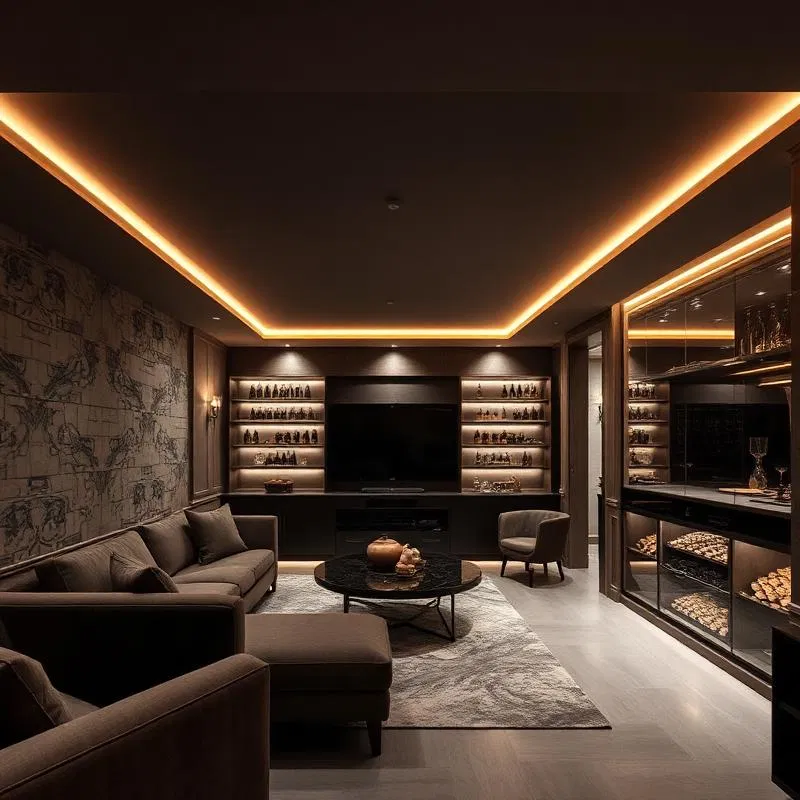
Successful listed building renovation London requires a delicate balance between high-end interior design and structural compliance. Whether you are planning a period property restoration or a complex basement conversion, the integration of modern amenities must be handled with surgical precision.
Key Considerations for 2026 Renovations
- Lime Plastering: Traditional breathable materials are essential to prevent damp issues in solid-walled period properties.
- Bespoke Joinery: Any new cabinetry or media walls must be "freestanding" or fixed in a way that allows for the future reinstatement of original cornicing and skirting.
- Smart Home Integration: Modern automation (lighting, security, climate) should utilize wireless technology where possible to avoid extensive chasing into historic plasterwork.
From lime plastering to ornamental cornicing and lead roofing, our heritage craftsmen deliver restorations that stand up to scrutiny from Historic England and RBKC alike.
View heritage servicesWhy Choose Vine Construction as Your Heritage Contractor?
With over 15 years of experience in London’s most prestigious postcodes, Vine Construction is uniquely positioned to handle the technical and administrative challenges of listed building projects.
- Expertise in Prime London: A proven track record in Kensington, Chelsea, Mayfair, and Belgravia.
- Comprehensive Insurance: We carry £2 million in public liability insurance, providing peace of mind for high-value residential projects.
- Heritage Craftsmanship: Our team includes specialists in traditional lime work, ornamental cornicing, and lead roofing.
- Project Management: Line-by-line quotations and rigorous project programming to ensure delivery on time and within budget.
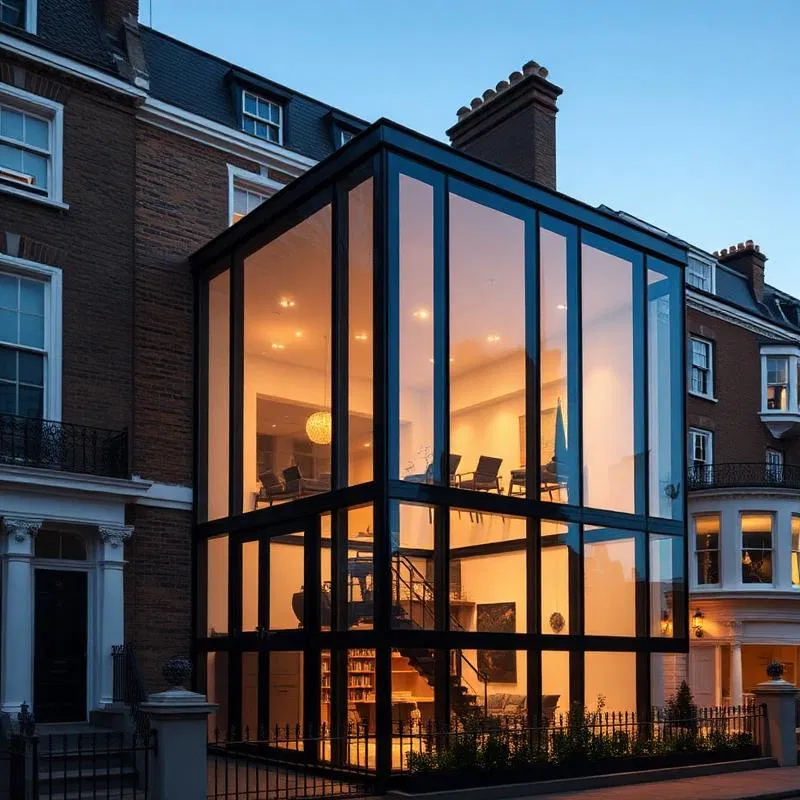
For homeowners seeking a building contractor that understands the nuances of 2026 heritage regulations, Vine Construction offers a seamless transition from planning to completion.
Conclusion: Planning Your 2026 Renovation
The shift toward “green” heritage conservation in 2026 offers significant opportunities for London’s period property owners. While LLBCOs in Kensington and Chelsea have simplified some aspects of secondary glazing and solar installation, the requirement for expert guidance remains.
Failure to obtain the correct consent is a criminal offence. It is vital to work with grade II listed building contractors London who can navigate the specific requirements of your borough and the unique architectural significance of your home.
Speak to Vine Construction
Planning a Renovation?
Book a confidential site survey to discuss your project with our heritage specialists.
Request a Site SurveyRelated Projects
Continue Reading

Planning
Kensington Home Renovation Guide: Extensions, Listed Buildings & Planning in W8
Read article
Heritage
The Kensington Restoration Guide: Modernising Victorian & Edwardian Grandeur
Read article
Heritage
Mayfair Home Renovation Guide: Georgian Townhouses, Grosvenor Estate & Planning in W1
Read articleMatching Services
Period Property Restoration
Grade II specialists working with heritage officers.
Sash Window Renovation
Full refurbishment of original Georgian & Victorian sashes.
Secondary Glazing
Reversible acoustic and thermal upgrades for listed properties.
Builders in Kensington
RBKC conservation area experts, W8 and SW7.