


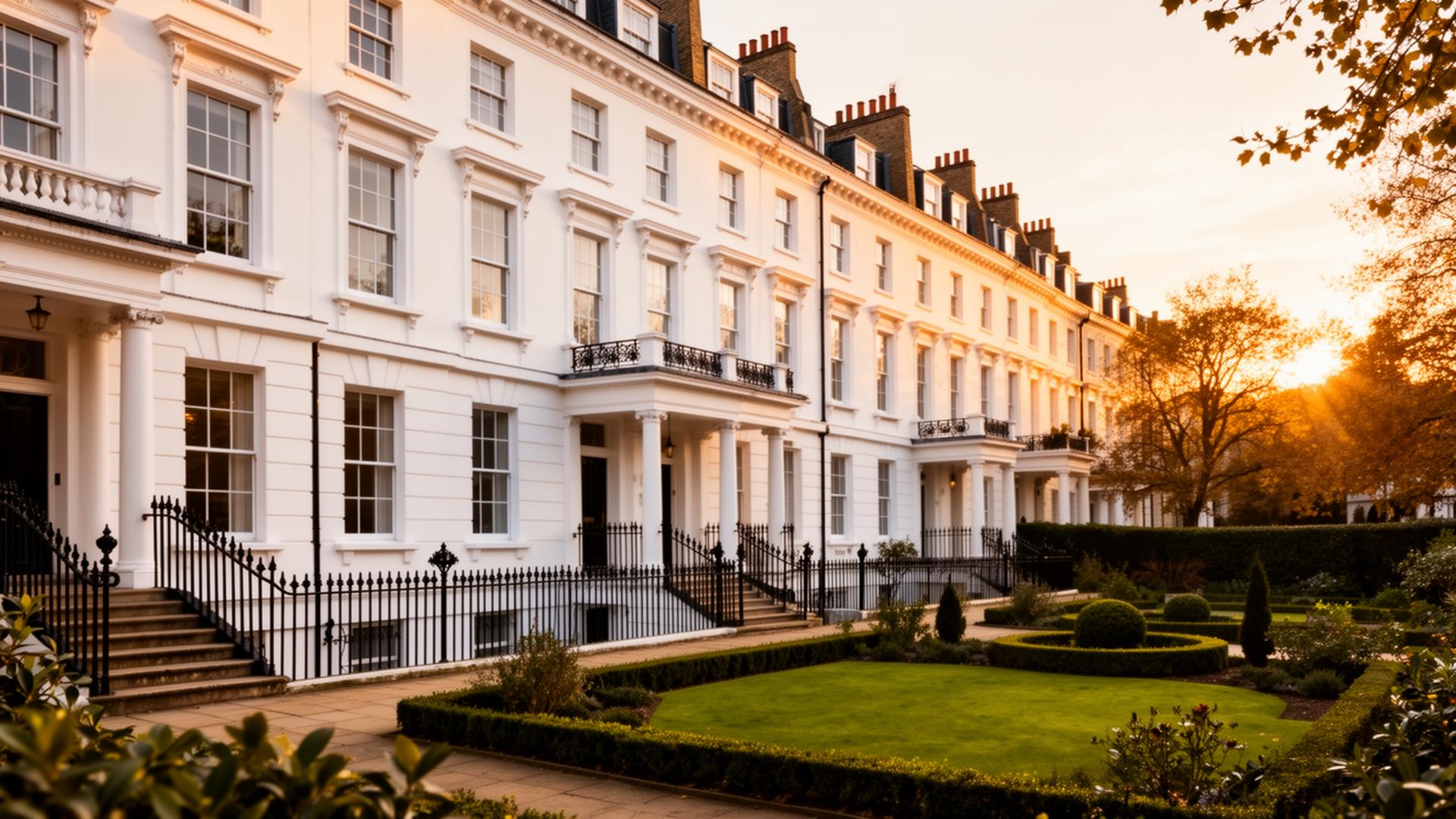
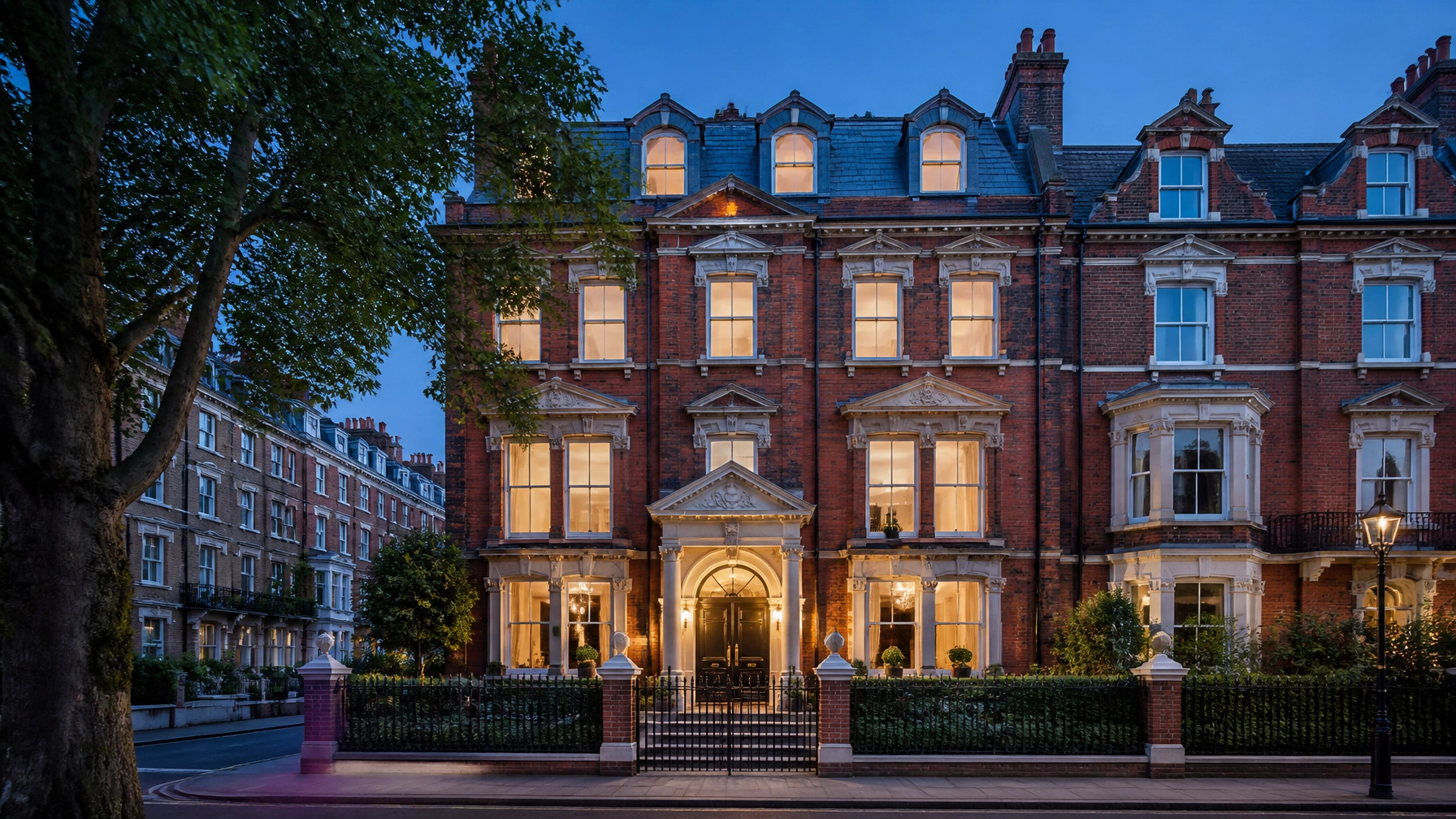
Kensington's tree-lined streets hold some of London's most magnificent Victorian and Edwardian properties — grand stucco facades, high ceilings, and those beautiful original sash windows that frame views of London's finest gardens. But living in architectural splendour comes with its own unique challenges, especially when you're trying to balance modern comfort with heritage preservation.
If you're considering a restoration project in W8 or SW7, you're not just renovating a house. You're stewarding a piece of London's architectural history while creating a home that actually works for 21st-century living.
Why Kensington Properties Are Different
Unlike newer developments, Kensington's heritage means every external alteration comes with layers of scrutiny. The Royal Borough of Kensington and Chelsea oversees more than 3,800 listed buildings and numerous conservation areas. That Victorian terrace you've just purchased? It likely requires planning permission for anything that changes its external appearance or architectural character.
Key RBKC Conservation Constraints
- RBKC Conservation Area Controls — Over 3,800 listed buildings; virtually all external alterations require council consent in W8 and SW7
- Listed Building Consent — Grade I and Grade II* listings require Heritage Statements; incorrect applications cause months of delay
- Traffic Noise Mitigation — Properties near High Street Kensington and Cromwell Road require acoustic solutions that preserve heritage windows
Secondary Glazing: The Heritage-Friendly Solution
Rather than replacing your original sash windows, secondary glazing adds a discrete internal layer that provides the acoustic and thermal performance of double glazing while keeping the historic fabric completely intact.
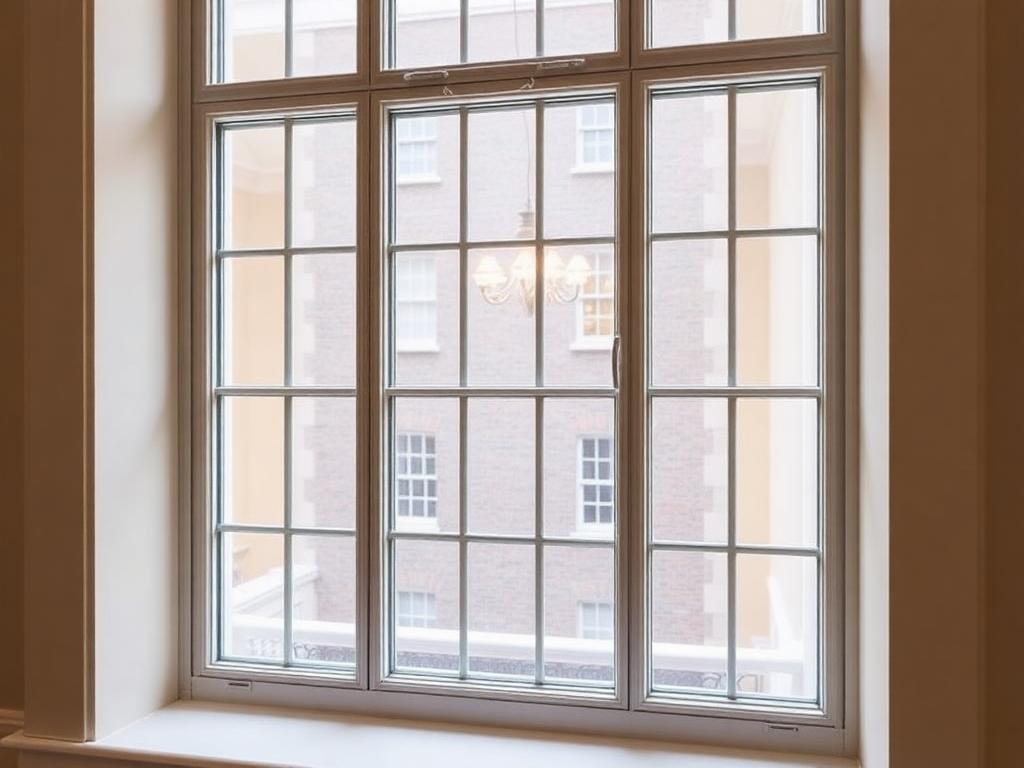
For properties near busy thoroughfares — say, a townhouse off Cromwell Road or an apartment overlooking High Street Kensington — the noise reduction alone changes how liveable the space feels. Properly specified secondary glazing can reduce noise by 70–80%.
Preserve your Kensington heritage without the cold. Our partners at Secondary Glazing Specialist provide invisible acoustic insulation — slimline laminated units fitted behind original sash windows, reducing noise by up to 70% and heat loss by 60%. Fully reversible, no planning permission required.
Premium Secondary Glazing for Listed BuildingsModern Interventions That Work
- Discreet building services — Underfloor heating, concealed speakers, smart home integration.
- Reconfigured layouts — Open-plan kitchen-dining spaces and en-suite bathrooms delivered at the rear where planners most readily accept them.
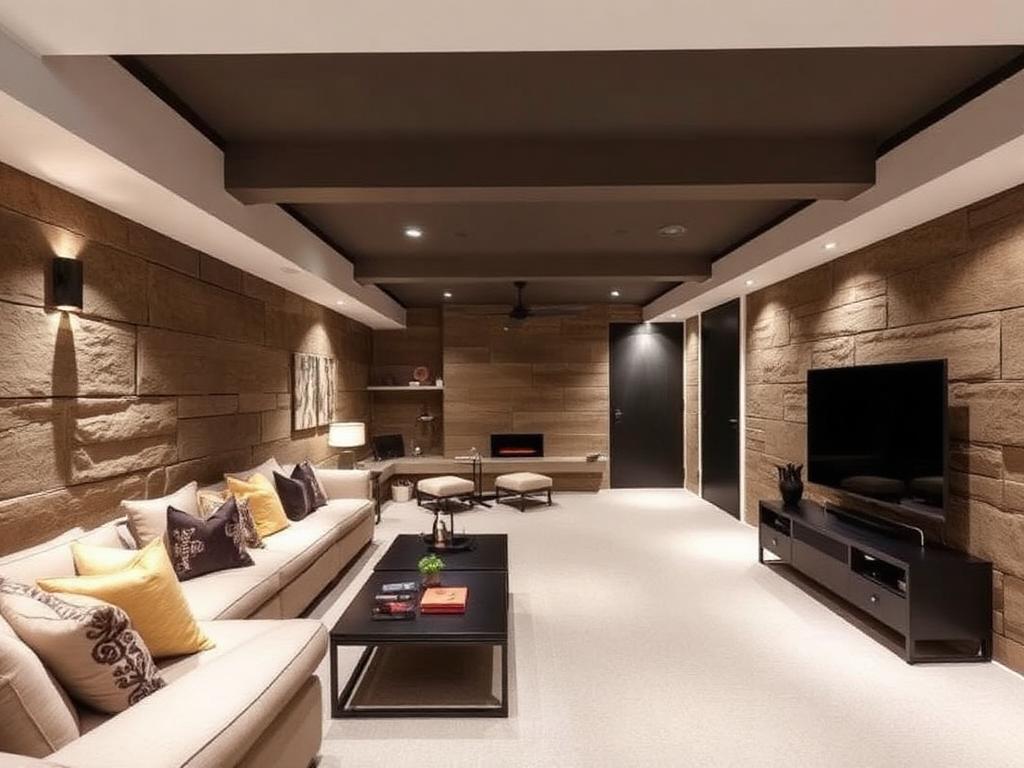
- Basement excavations — Projects typically start around £500,000; require party wall agreements and detailed structural engineering.
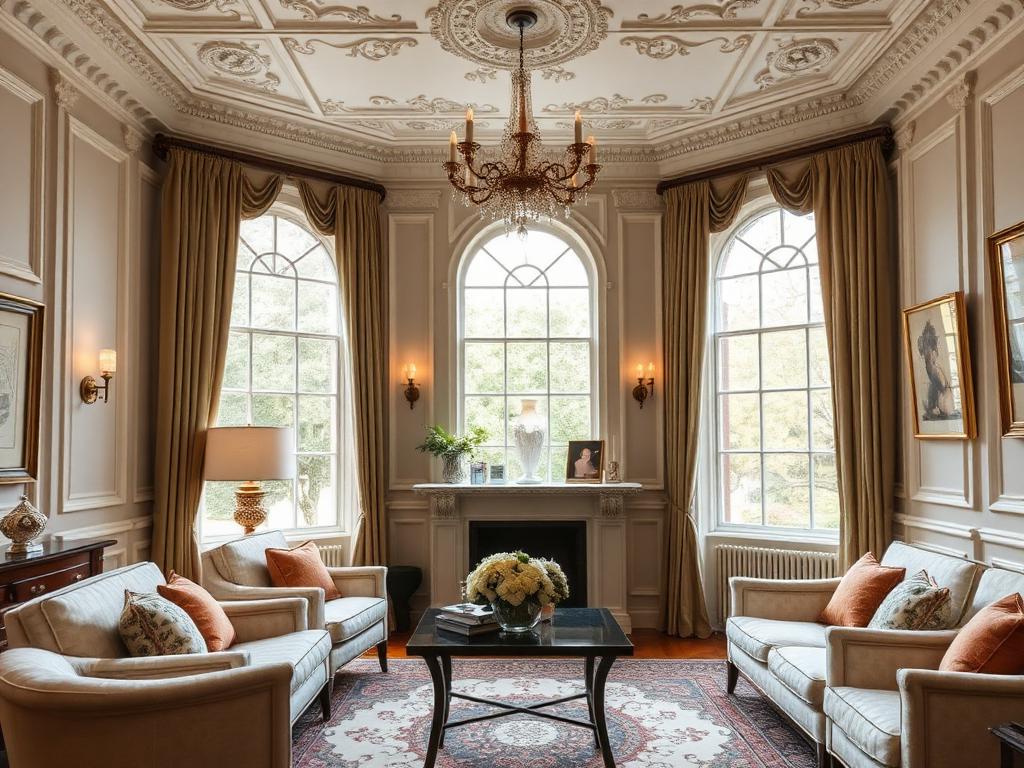
- Kitchen and bathroom upgrades — Quality materials that complement rather than clash with Victorian proportions.
Cost and Timeline Realities
- Cosmetic upgrades: £650–£1,100 per square metre
- Full renovation: £1,100–£2,000 per square metre
- Comprehensive projects: £2,000+ per square metre
Timelines range from three months for light refurbishments to eighteen months or more for complex projects involving structural alterations and planning applications.
The Long Game
The properties that command the highest premiums in Kensington are those that have been thoughtfully restored: modern systems concealed behind period details, original features preserved and highlighted, acoustic and thermal comfort delivered without compromising architectural integrity. Secondary glazing often becomes a cornerstone of this approach.
Planning a Renovation?
Book a confidential site survey to discuss your project with our heritage specialists.
Request a Site SurveyRelated Projects
Continue Reading
Heritage
Listed Building Renovation in 2026: The Ultimate Guide to New Consent Rules, Heat Pumps & Secondary Glazing
Read article
Planning
Kensington Home Renovation Guide: Extensions, Listed Buildings & Planning in W8
Read article
Heritage